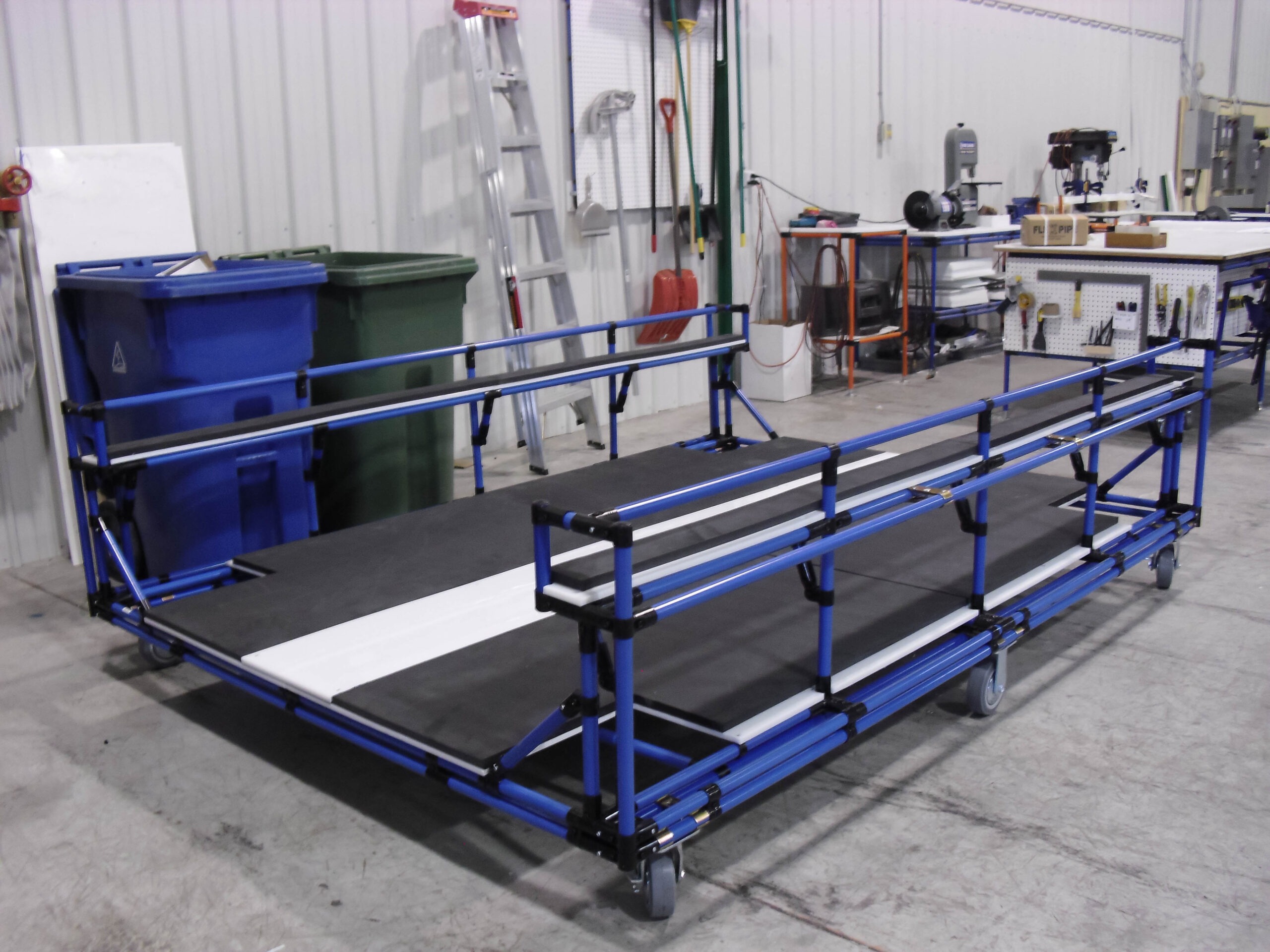
A Lean Material Handling and Workcell Assembly Tool for the Automotive Industry
Go lean with a modular material handling system that empowers your team to build less expensive material handling structures, workstations, and workcells faster and more efficiently.
- Lowest prices
- 3 warehouses across North America
- Next-day shipping
Table of Contents
1. Why Lean Manufacturing is Essential to Automotive Manufacturing
Strict adherence to lean manufacturing best practices and continuous improvement processes is critical in the automotive industry. It’s not only about controlling costs but also about ensuring improved quality and greater vehicle safety through high repeatability.
Lean manufacturing requires a never-ending commitment to lowering waste. Reducing waste within the supply chain, during each production stage, and in material handling ensures a leaner, more efficient process. Success requires having tools that make lean manufacturing work.
The Ultimate Lean Manufacturing Tool
For automotive manufacturers, a lean material handling solution that allows them to make their own material carts, picking carts, trolleys, flow racks, work benches, workstations, and workcells is best.
That lean material handling solution must be easy to use and assemble, allowing faster and less expensive changes and modifications than welded material handling structures and welded workstations.
One solution checks all these boxes, and its origins can be traced back to the Toyota Production System (TPS), long seen as the originators of the lean philosophy.
This modular, flexible, and scalable lean material handling solution allows companies to assemble and modify their material handling structures, workstations, and workcells to support constantly evolving production requirements.
The system is called Flexpipe. With the Flexpipe system, companies can maximize available space, create workcells and workstation structures around installed equipment, and have a low-cost solution that easily adjusts to evolving product lines.
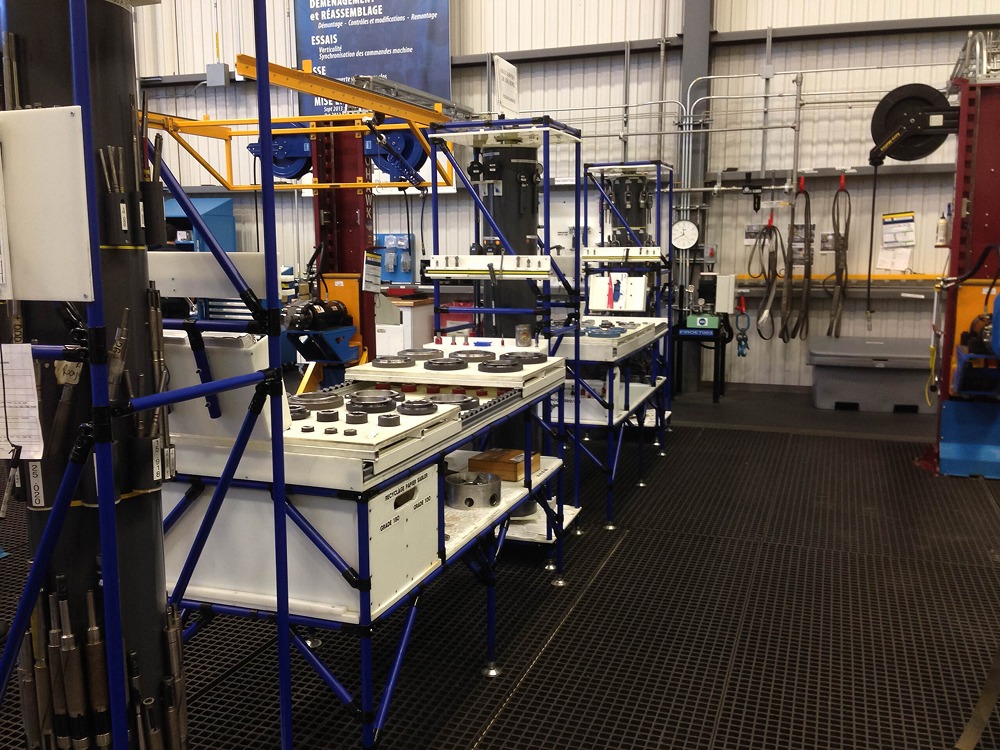
Customized, made-to-fit workstations assembled with Flexpipe ensure automotive manufacturers can create personalized workstations and workcells designed for specific applications. This means creating lean workstations around existing pillars, installed equipment, and other obstructions.
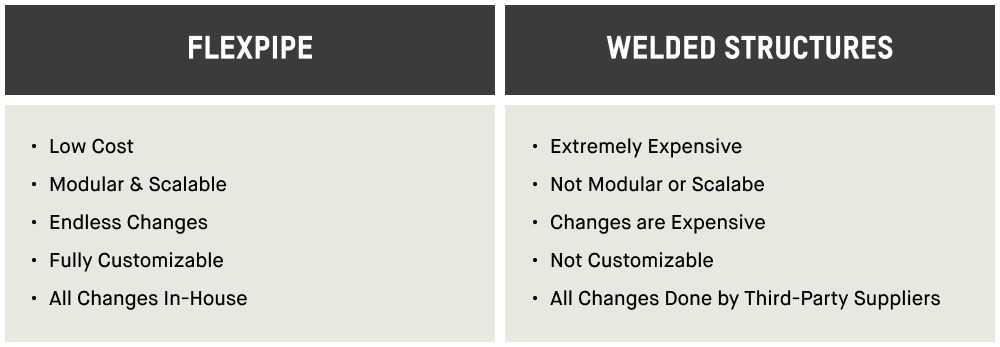
All changes and modifications can be done in-house, saving manufacturers valuable time and capital compared to going outside to third parties.
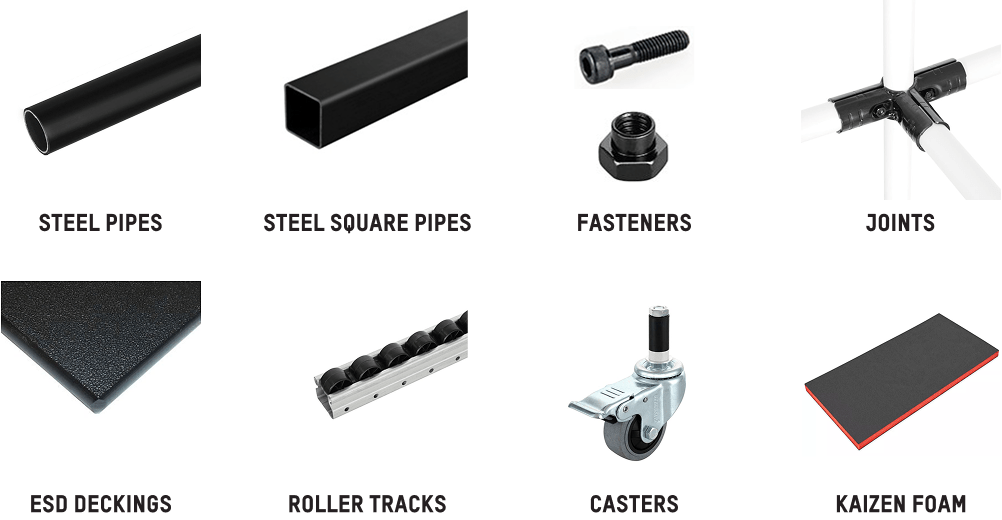
The Flexpipe lean material handling system comprises cold-drawn steel pipes, steel square pipes, fasteners, adjustable, multiple-angle joints and connectors, ESD-compliant decking material, track rollers, industrial casters, and Kaizen foam – in addition to numerous accessories. With Flexpipe, automotive manufacturers have the ultimate in customization and flexibility.
Numerous Designs – Endless Applications
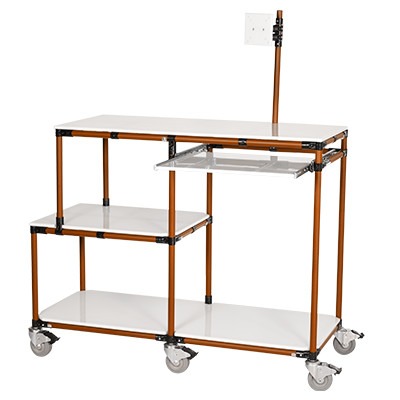
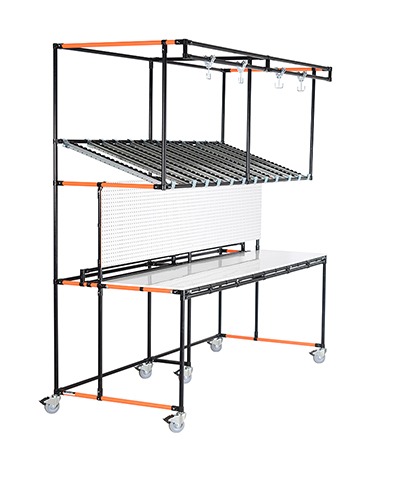
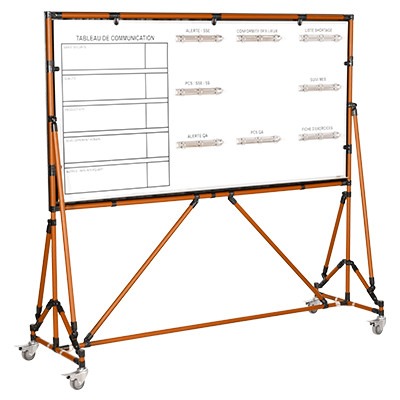
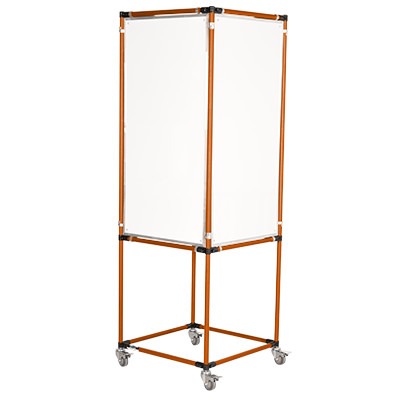
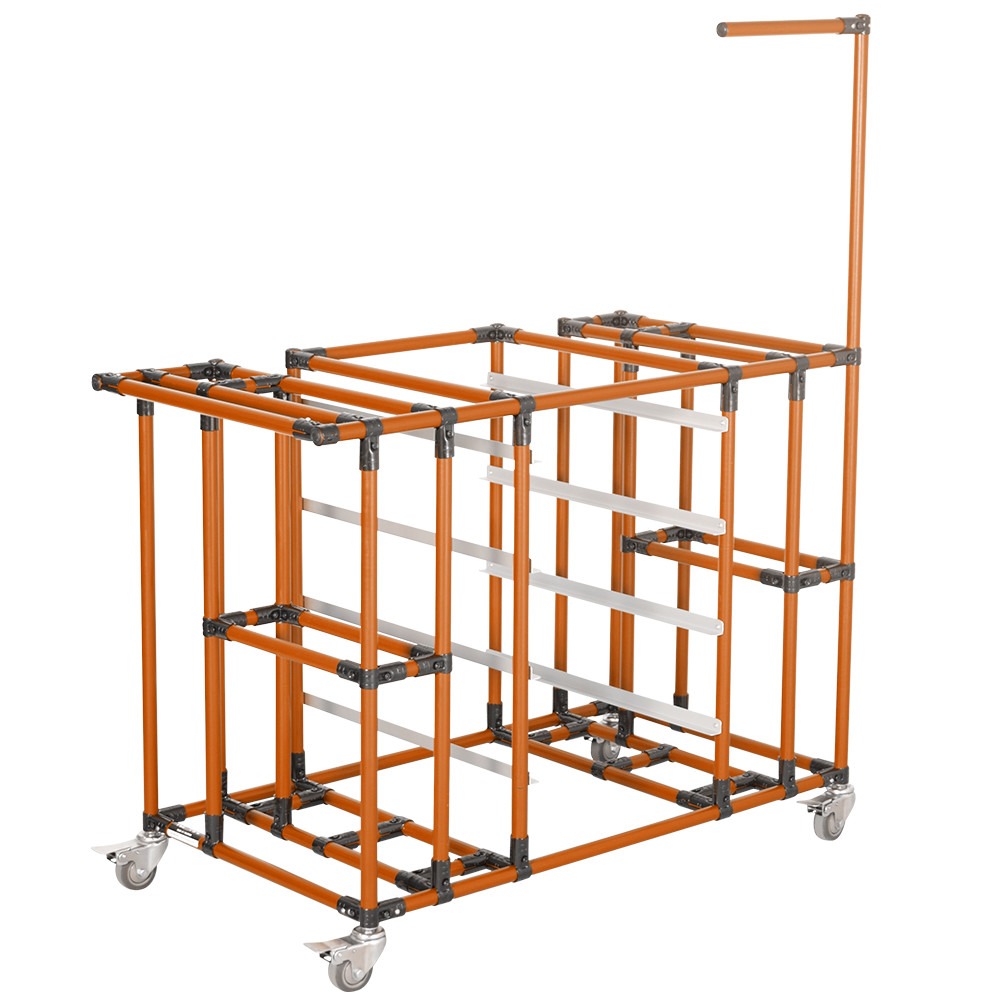
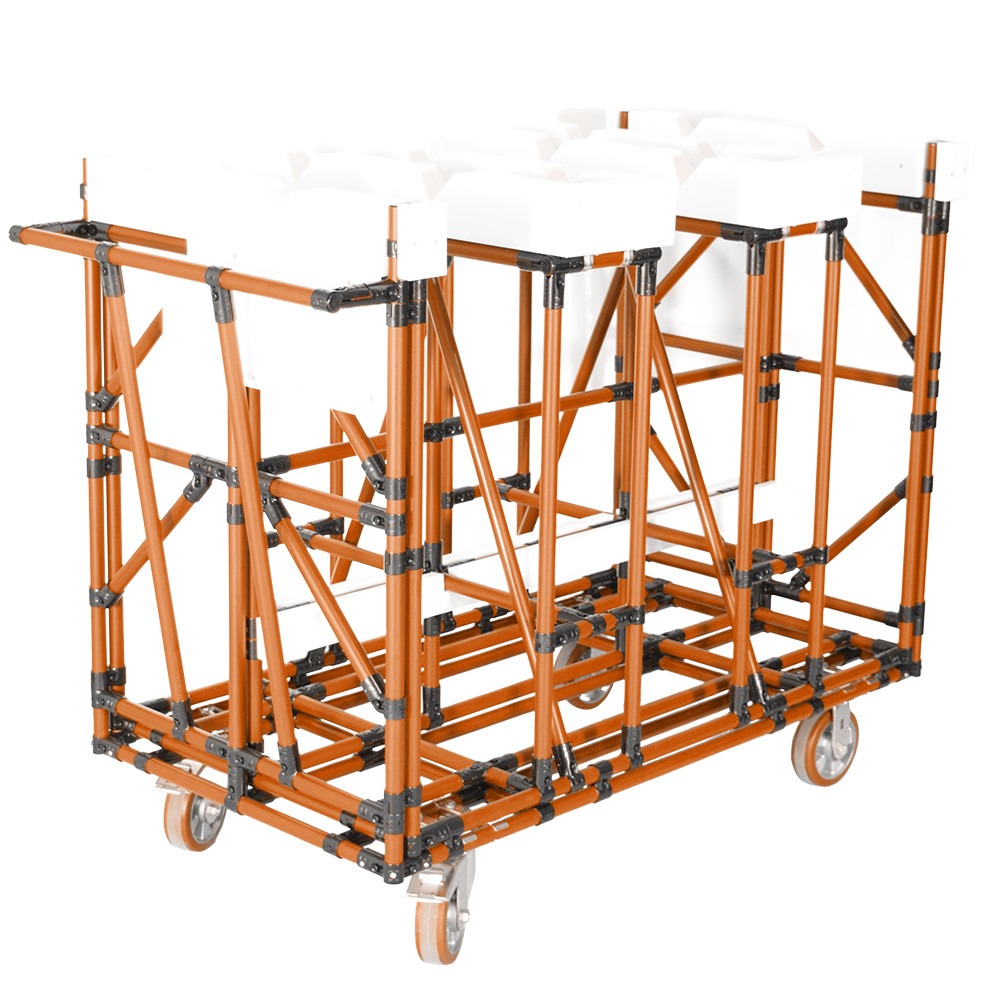
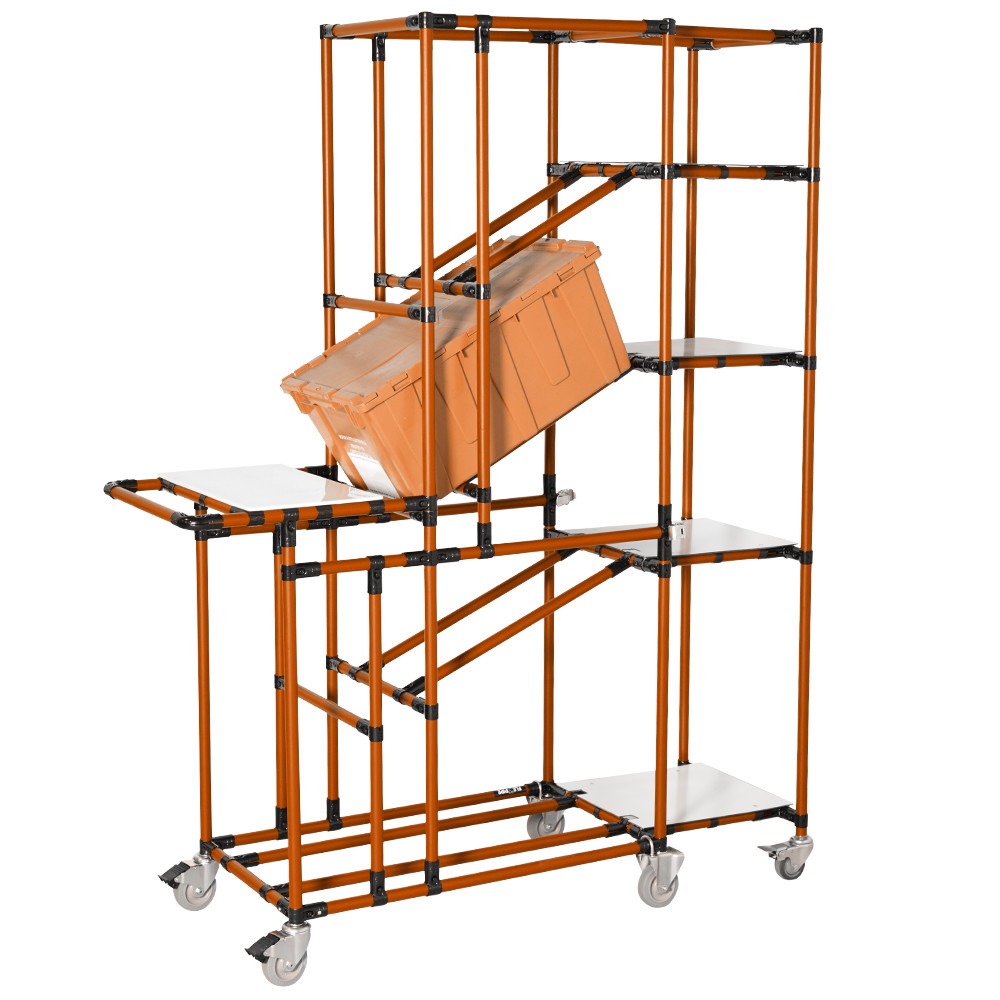
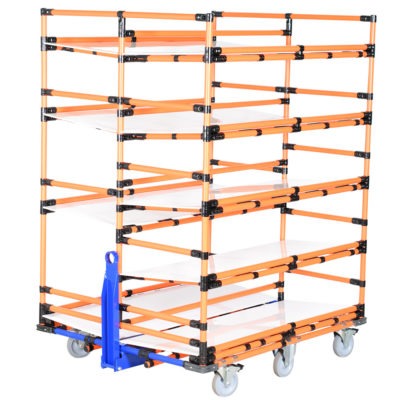
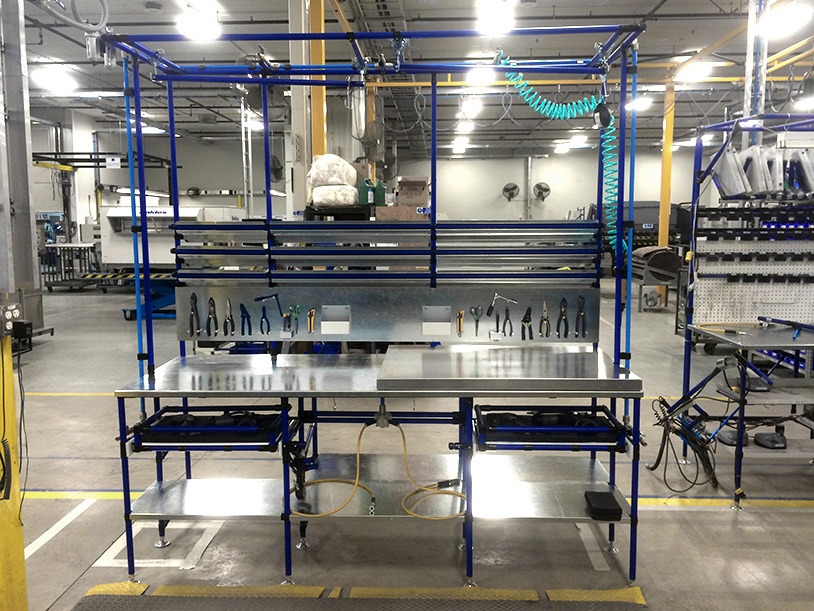
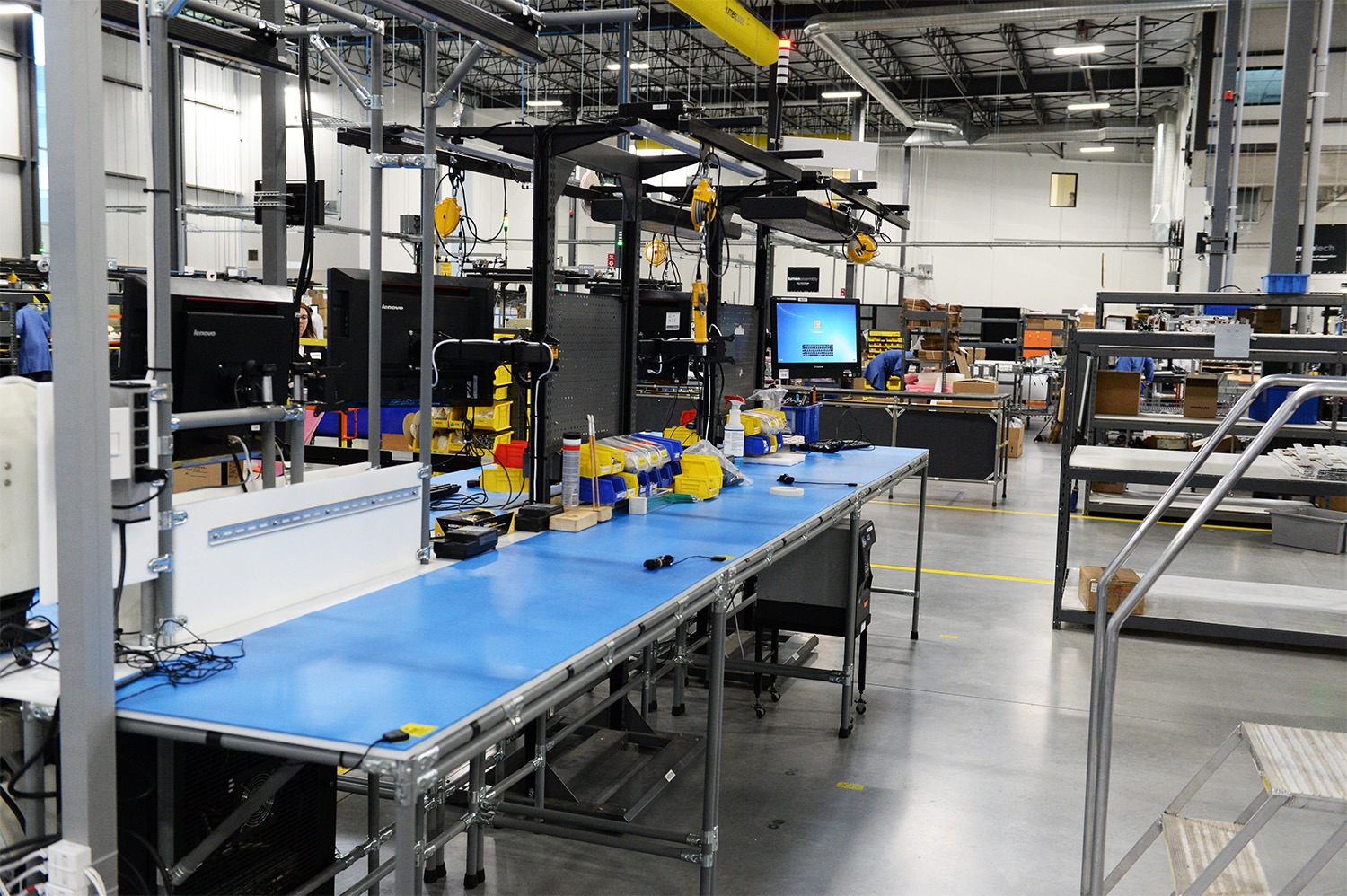
Whether it’s building portable workbenches, ESD-compliant workstations, TAKT boards, four-panel boards, kitting carts, work-in-progress (WIP) carts, warehouse carts, or using Flexpipe to create stationary workstations and workcells, the solution is made to fit any application.
2. Top Benefits of Flexpipe in Automotive
Automotive companies must accommodate constant changes in part dimensions, material handling requirements, and assembly processes. Every year, a new modified or upgraded part plays a critical role in a revamped vehicle design.
For lean material handling, automotive manufacturers must have low-cost tools to adjust to constantly changing material and finished part requirements. That means using an inexpensive solution for immediate changes with minimal downtime.
Not only is Flexpipe far less expensive than welded structures, but it’s a solution that reduces motion waste across the shop floor. Material handling, kitting, and WIP carts and trolleys can be customized for specific material and WIP part transport and handling. Transit times are minimized as manufacturers can create seamlessly integrated workcells that allow for improved workflow and ergonomics.
With Flexpipe, companies can account for faster transition times with minimal downtime when moving from high-mix, low-volume to low-mix, high-volume requirements.

3. Popular Flexpipe Workcell Layouts for Automotive Manufacturers
Automotive manufacturers rely on the Flexpipe lean material handling system to create customized workstation and workcell layouts. Manufacturers can use Flexpipe for lean U-Cell layouts for continuous workflow and fast assembly times. They can create lean T-Cell layouts for highly customized parts while allowing line-side managers quick access to individual workstations.
Finally, automotive manufacturers can use Flexpipe for S or Z-Cell layouts so that they can maximize space around obstructions and existing equipment.
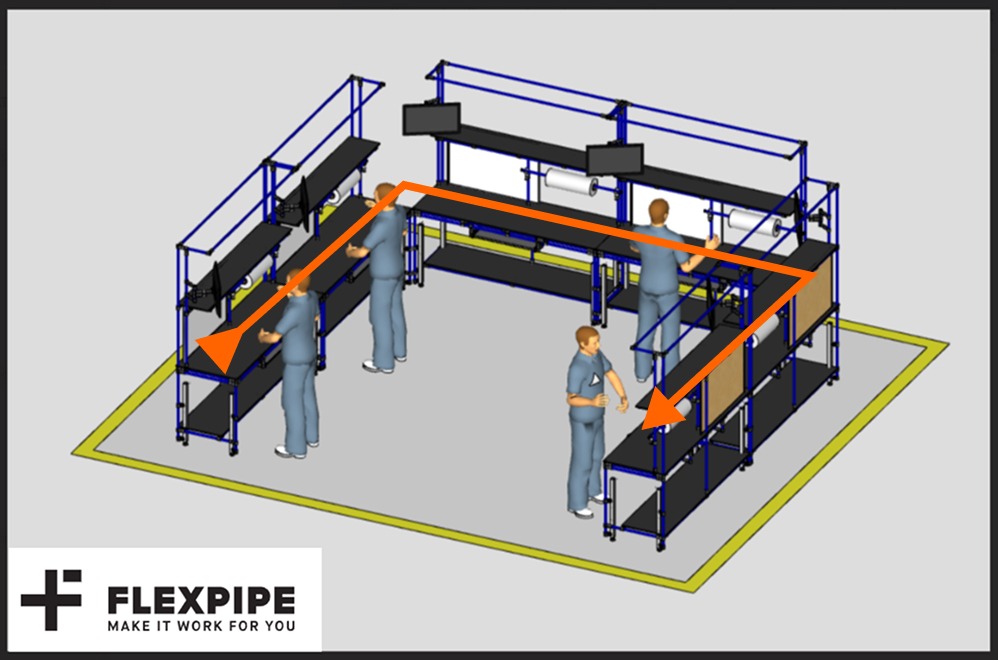
U-Cell – Continuous Workflow and faster assembly times.
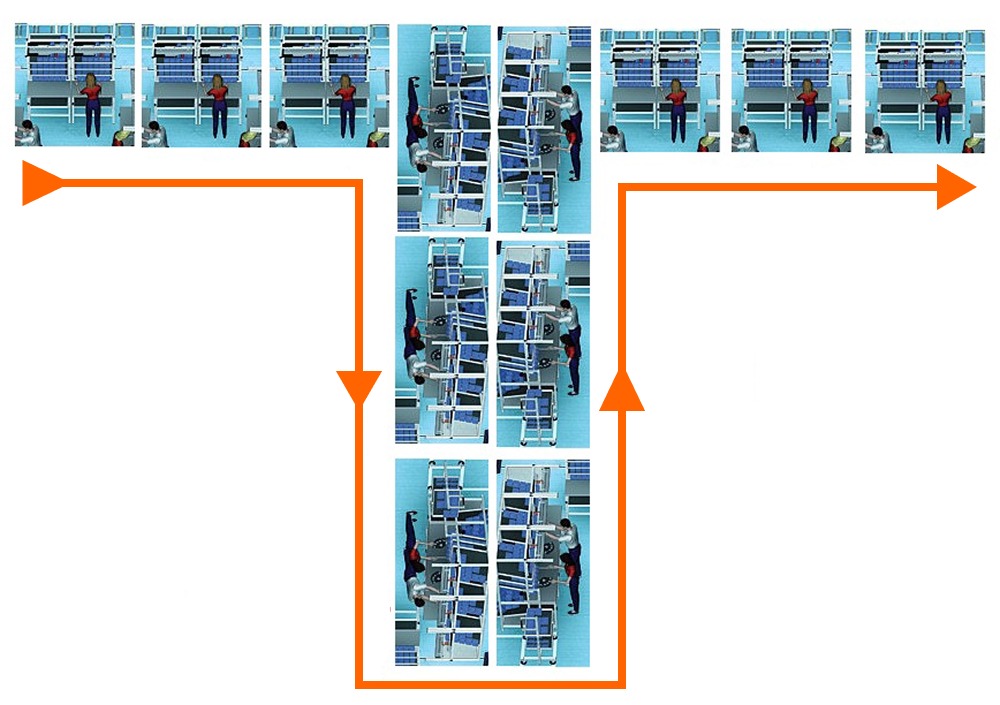
T-Cell – Customized parts and quick access to individual workstations.
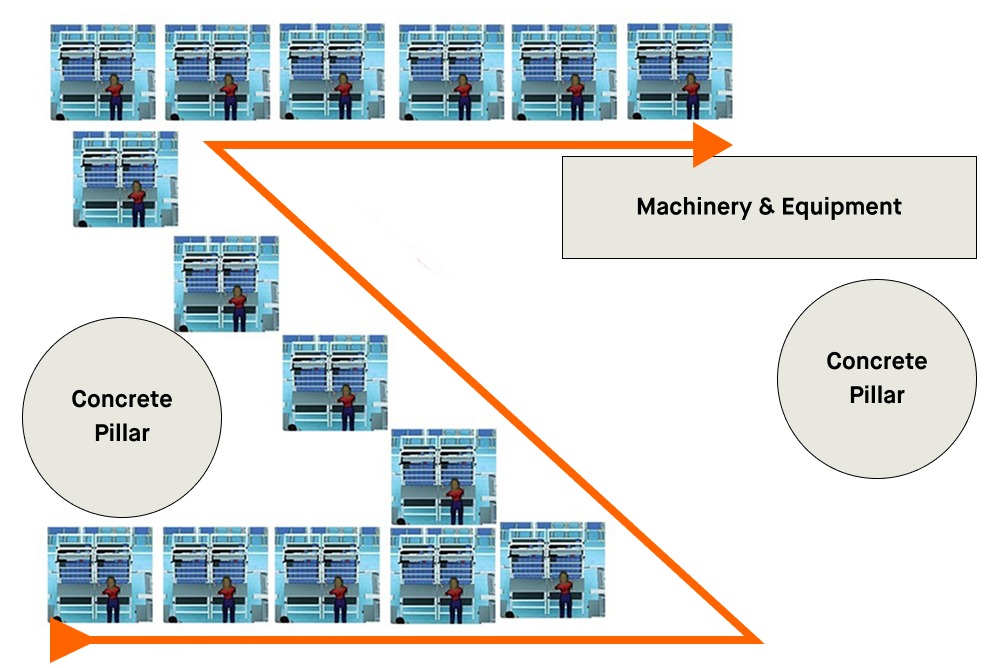
S/Z-Cell – Maximize space around obstructions and existing equipment.

4. Case Studies & Real Results
1. Streamlining Production at HRE Performance Wheels
Custom kitting carts and lean thinking helped HRE Performance Wheels transform their assembly process and reclaim valuable time and space.

Key Improvements
- 65 custom carts designed for single-piece flow
- Color-coded carts for better tracking and priority handling
- 4 hours saved per day by eliminating part search
- Increased visual management and efficiency across departments
2. Boosting Productivity with Modular Racking
A Michigan-based automotive supplier transitioned from rigid steel racks to a flexible modular system—resulting in increased productivity, better ergonomics, and smoother line-side operations.

Key Outcomes
- Over 220 modular Flexpipe structures in use
- Racks easily updated in-house by the maintenance team
- Ergonomic improvements thanks to roller track flow racks
- Enhanced durability and layout adaptability
3. Why Lumenpulse Chose Flexpipe for Its Expansion
When Lumenpulse outgrew its former plant, it chose Flexpipe’s modular system to build ergonomic, scalable, and reusable workstations tailored to fast-moving LED production lines.

Key Outcomes
- 80,000 sq. ft. optimized with modular structures
- Full shift coverage across 185 operators
- Engineers involved in design for better results
- Workstations easily reconfigured and reused

Automotive Structure Inspiration Gallery
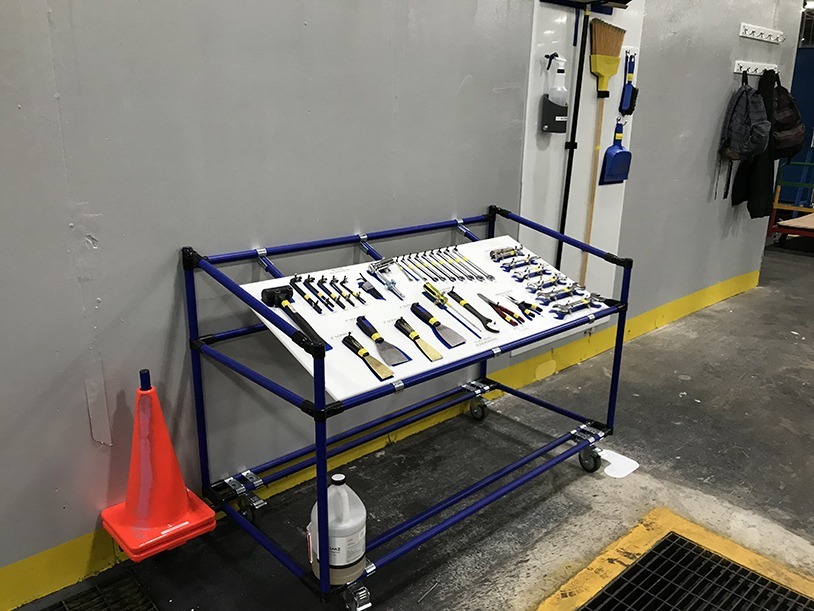
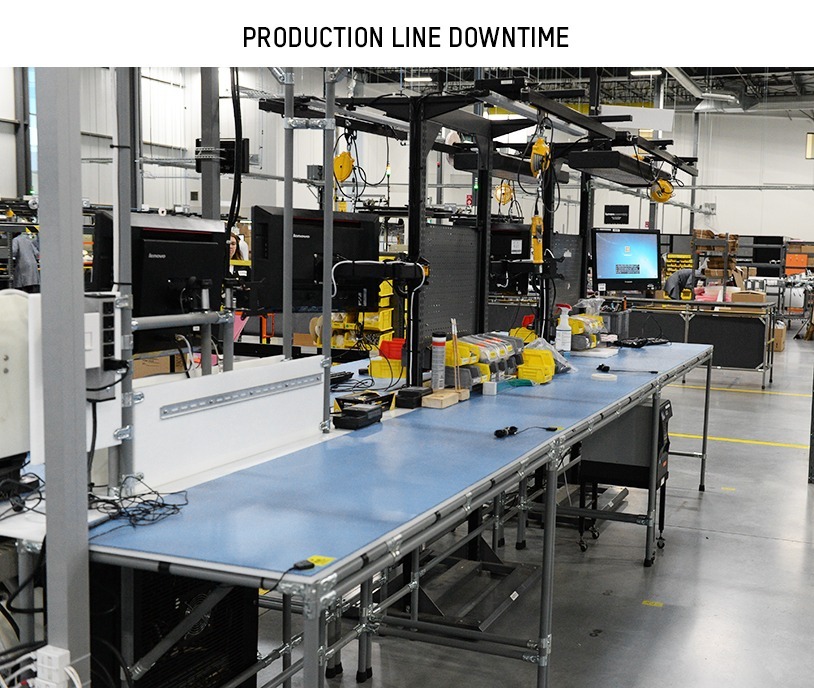
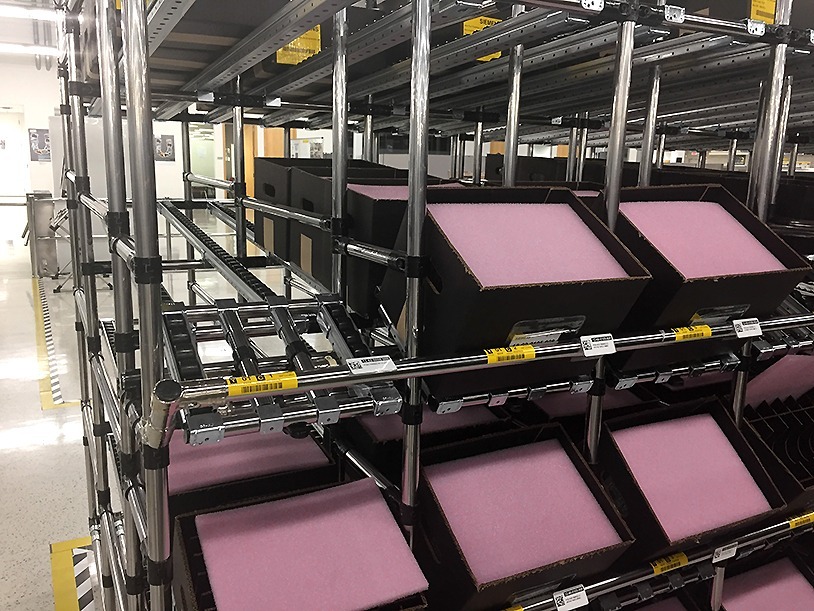
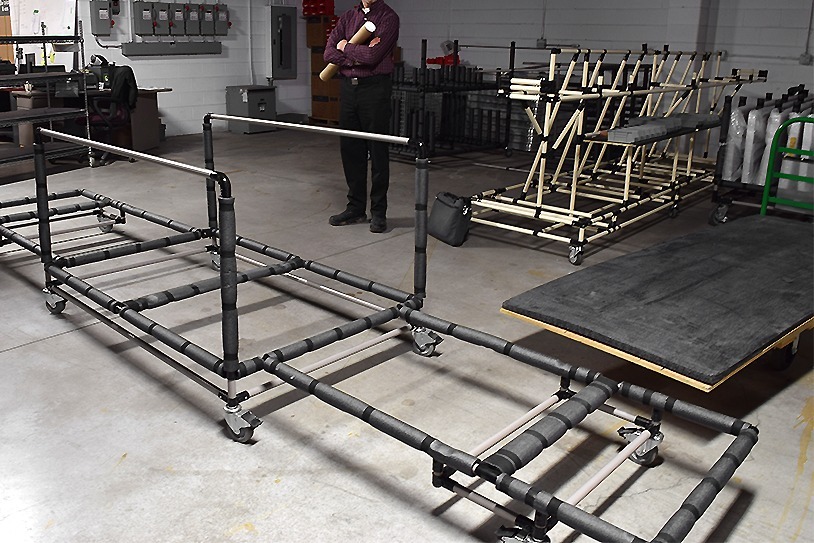
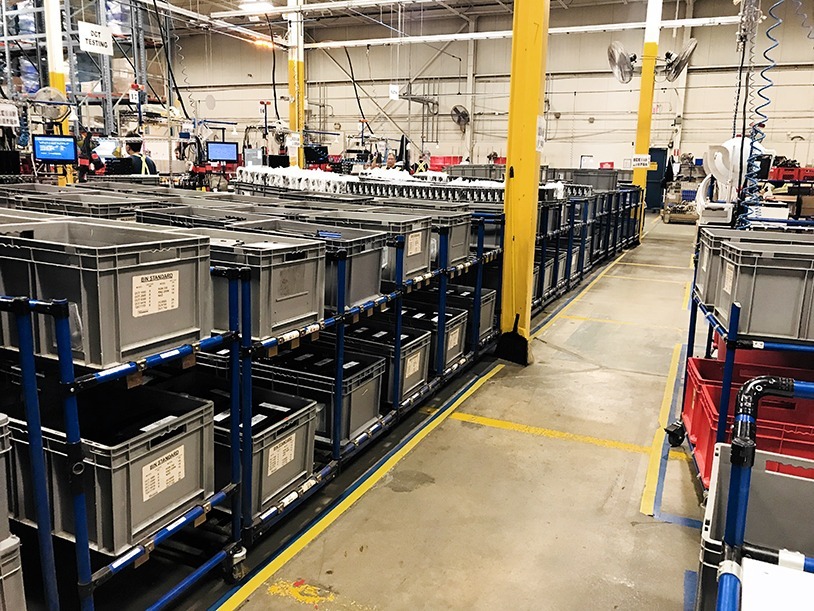
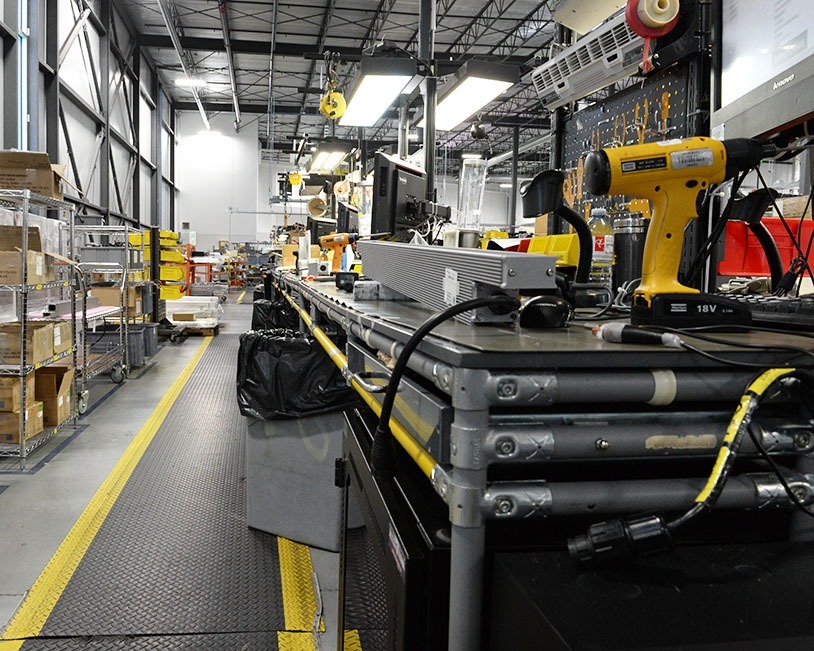
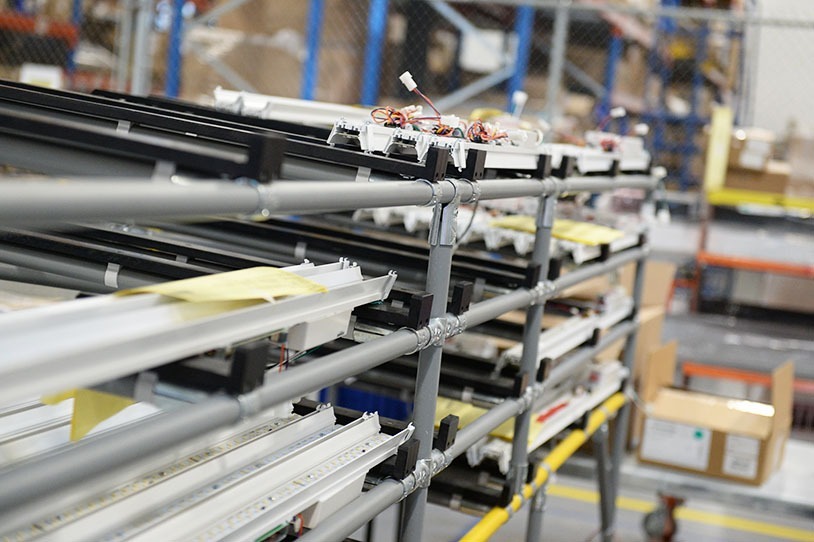
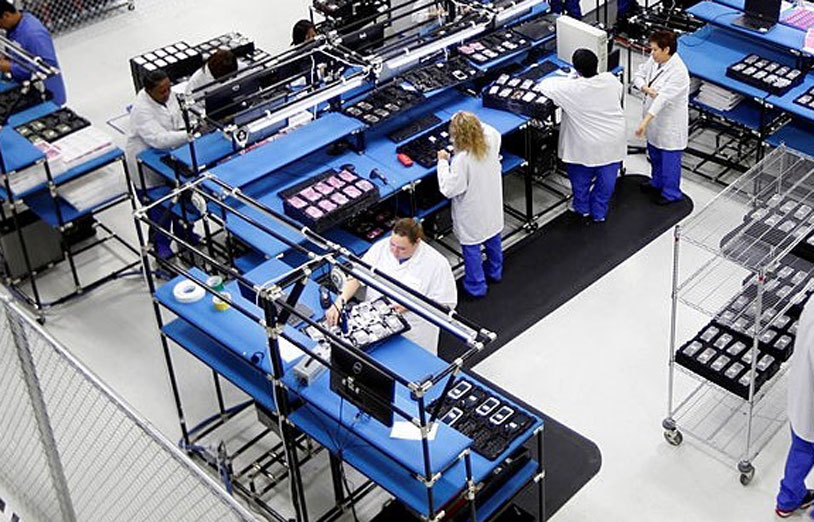
Discover dozens of real modular structures designed for automotive facilities—from picking carts to ergonomic stations.
5. Getting Started with Flexpipe
The Flexpipe lean material handling solution is a simple, made-to-fit system comprising steel tubes and joints that can be cut and adjusted to any length. This simple, but extremely affordable system is used extensively throughout the automotive industry and is seen as the preeminent means of creating modular and scalable material handling structures and workstations.
Get 15 Free Plans for Automotive Facilities
Download ready-to-build structures like flow racks, carts, and workstations—tested and proven in real auto plants.
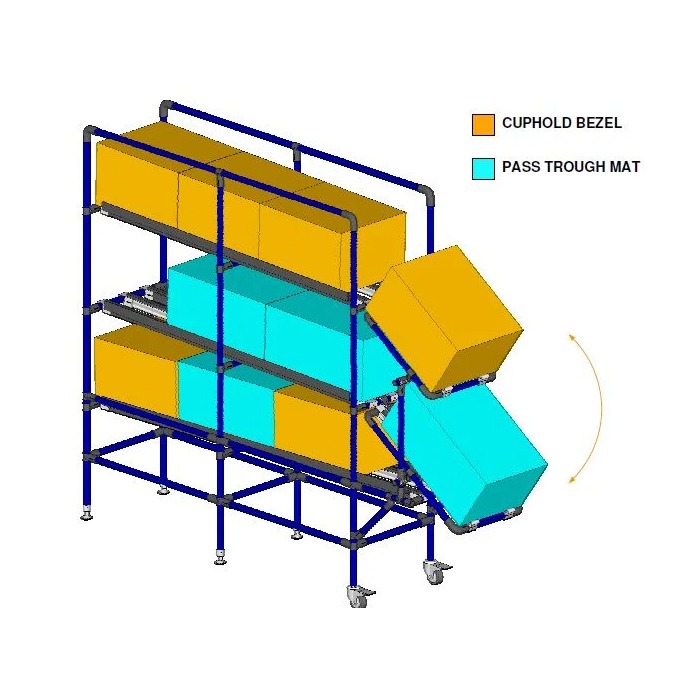
Gravity flowrackravity flowrack
Download this plan
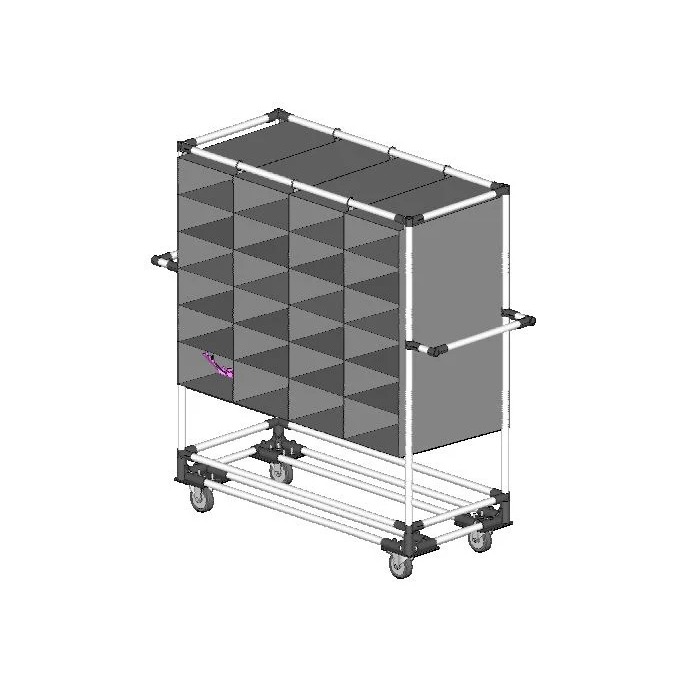
HEADLAMP CART
Download this plan
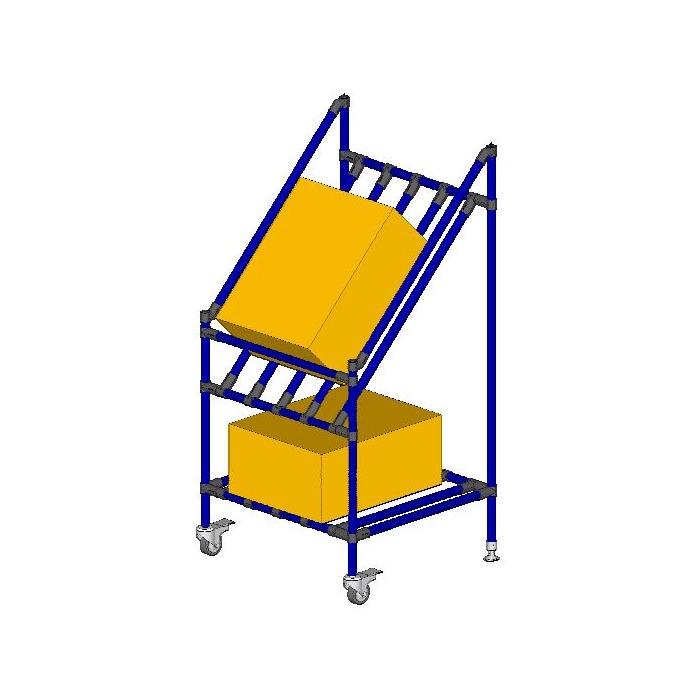
Gravity flowrack with pipe
Download this plan
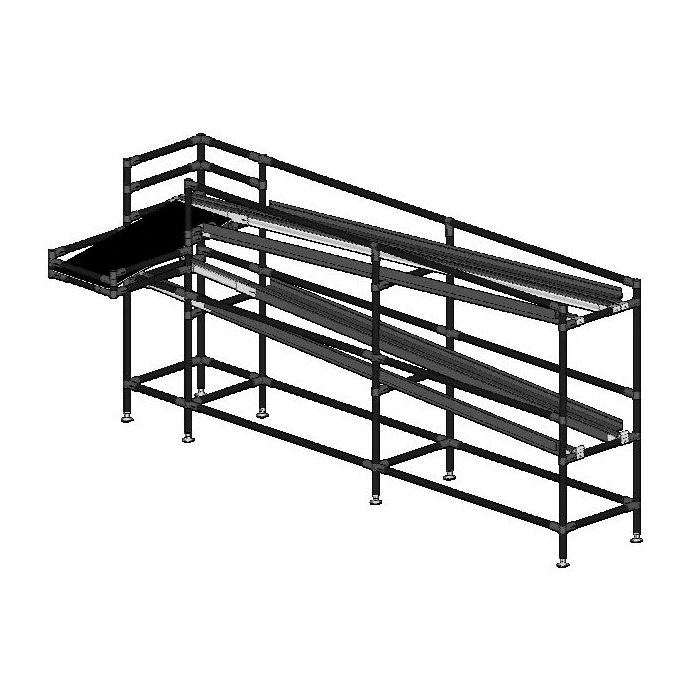
GRAVITY FLOWRACK 1 IN 1 OUT
Download this plan
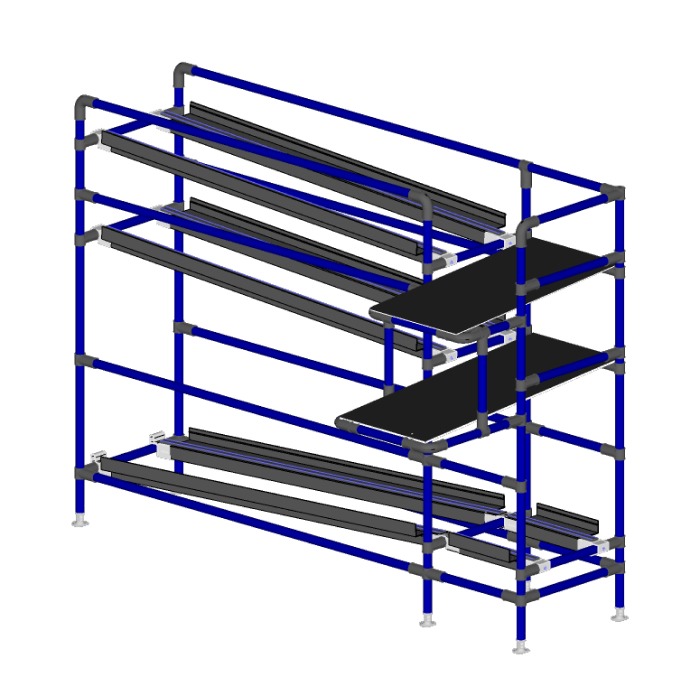
L-flowrack with return
Download this plan
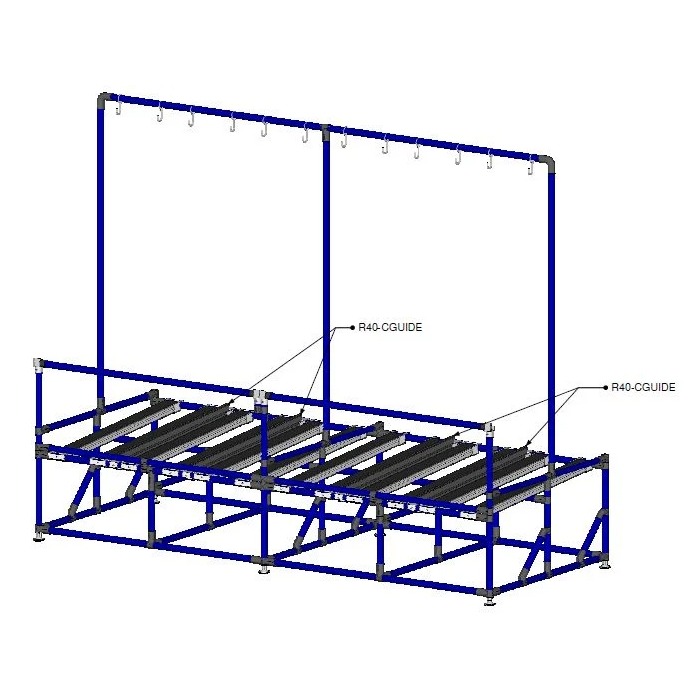
SUPERMARKET FLOWRACK WITH STOPPER
Download this plan
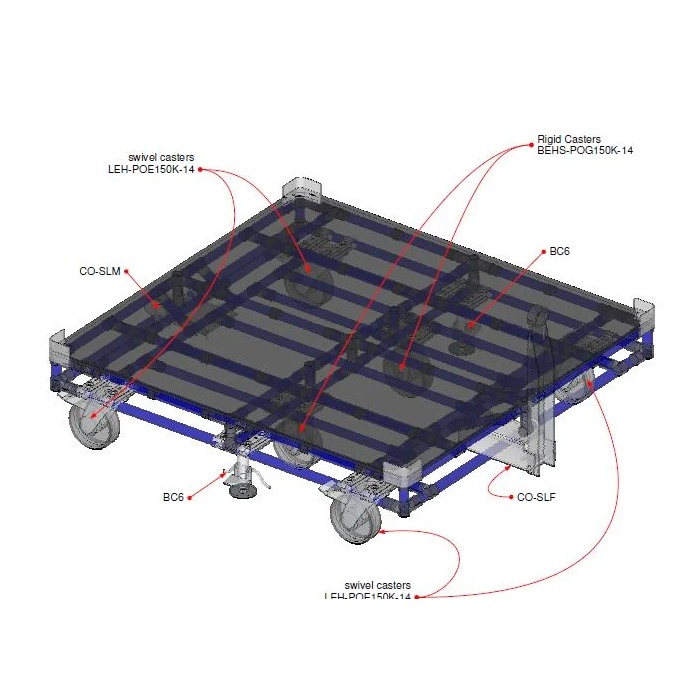
WIP CART
Download this plan
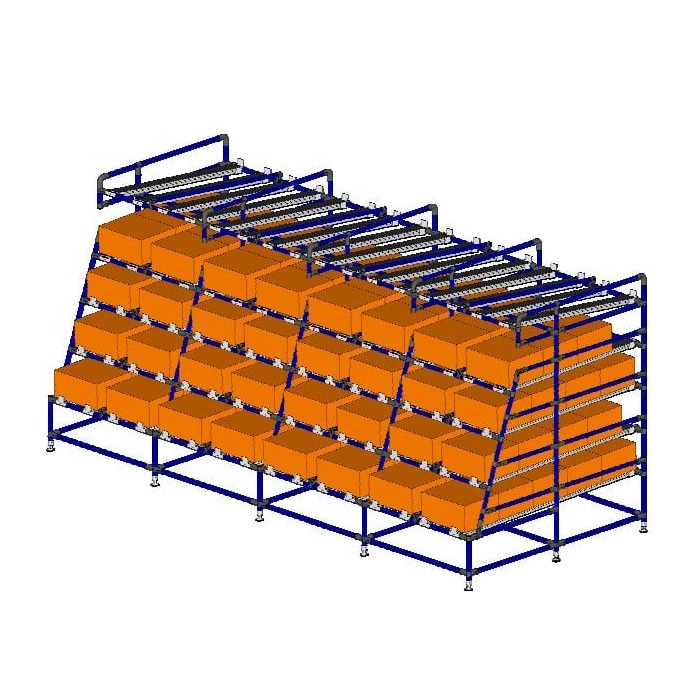
Flow rack for large boxes
Download this plan
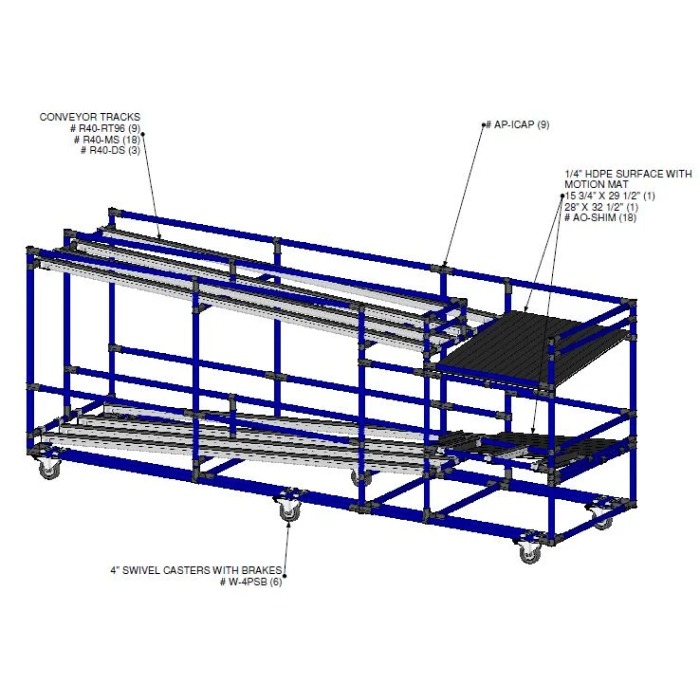
RAW POD GFR
Download this plan
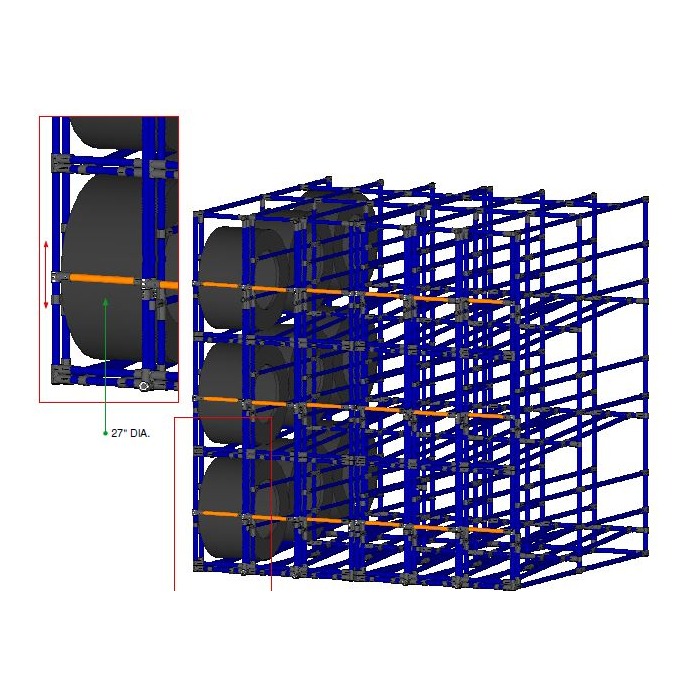
TIRE STORAGE RACK
Download this plan
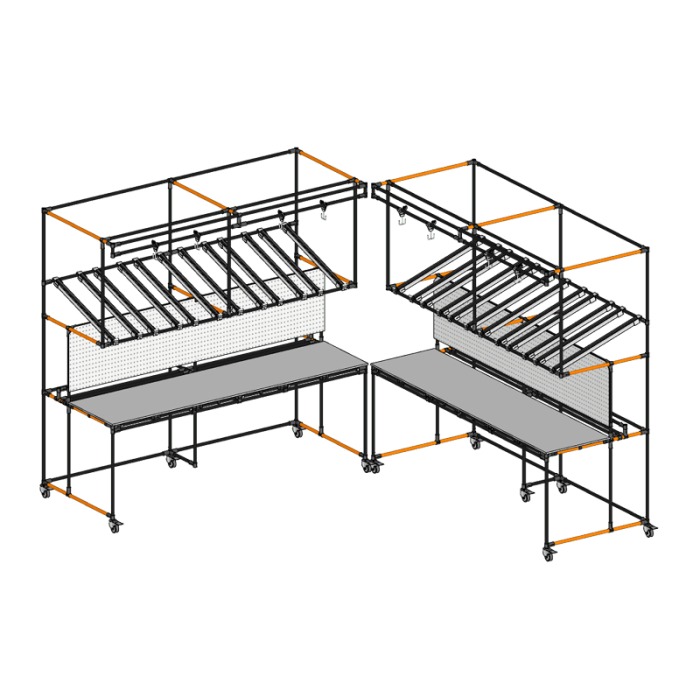
L-workstation
Download this plan
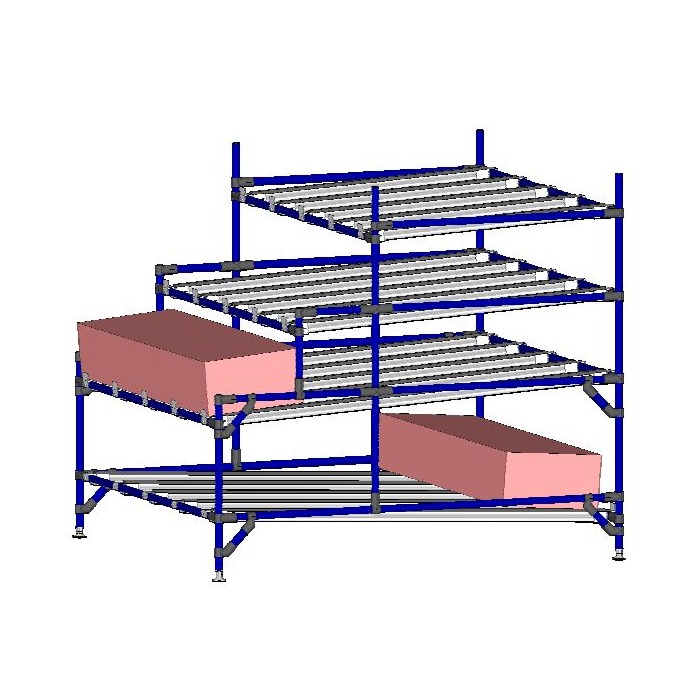
Lineside rack
Download this plan
6. Compare Flexpipe to Your Current System
Still unsure? Then perhaps it’s time to compare your current system to the incredible functionality, low-cost, and ease-of-use of Flexpipe’s lean material handling system.
7. Key Takeaways
- The Flexpipe lean material handling system is highly customizable while being low-cost and easy to use.
- Flexpipe can be used to make any material handling structure
- Flexpipe can be used to make customized workstations and workbenches.
- Flexpipe can be used for the most common lean workcell layouts to reduce production waste and improve flexibility.
- U-Cells
- T-Cells
- S/Z-Cells
- Modular systems adapt to evolving needs faster than welded solutions
- Layouts like U, T, and S-cells help maximize space and flow
- Flexpipe allows for fast, low-cost changes to be done in-house
8. FAQ
What is a lean workcell in automotive manufacturing?
A lean workcell is a group of seamlessly integrated workstations and workbenches. Each workcell is designed to improve workflow, lower assembly cycle times, reduce material, WIP, and finished part transit times while also reducing transport waste.
Can Flexpipe structures support heavy automotive parts?
Yes, the Flexpipe lean material handling system is heavily used by multiple automotive manufacturing facilities. Our product line encompasses steel pipes and square steel pipes made from reinforced steel that can be adapted for heavy-duty applications.
How fast can I change my Flexpipe material handling structure or workstation?
Most changes can be done in-house in under an hour with minimal tools.
What other industries aside from automotive use the Flexpipe material handling system?
Flexpipe is used extensively in any industry where lean manufacturing and continuous improvements thrive. Our product is used within the aerospace, hydraulics, pulp and paper industries, as well as numerous industrial and commercial manufacturing sectors.
Flexpipe is part of the 80/20 family of brands. We specialize in modular, steel tube, and joint systems designed for lean manufacturing.
Our lean material handling system helps teams in the automotive industry reduce costs, build flexible layouts, and adapt to changing production demands, without relying on outsourced or welded solutions.